Boat Trailer Repair: Common Problems That Should Not Be Ignored
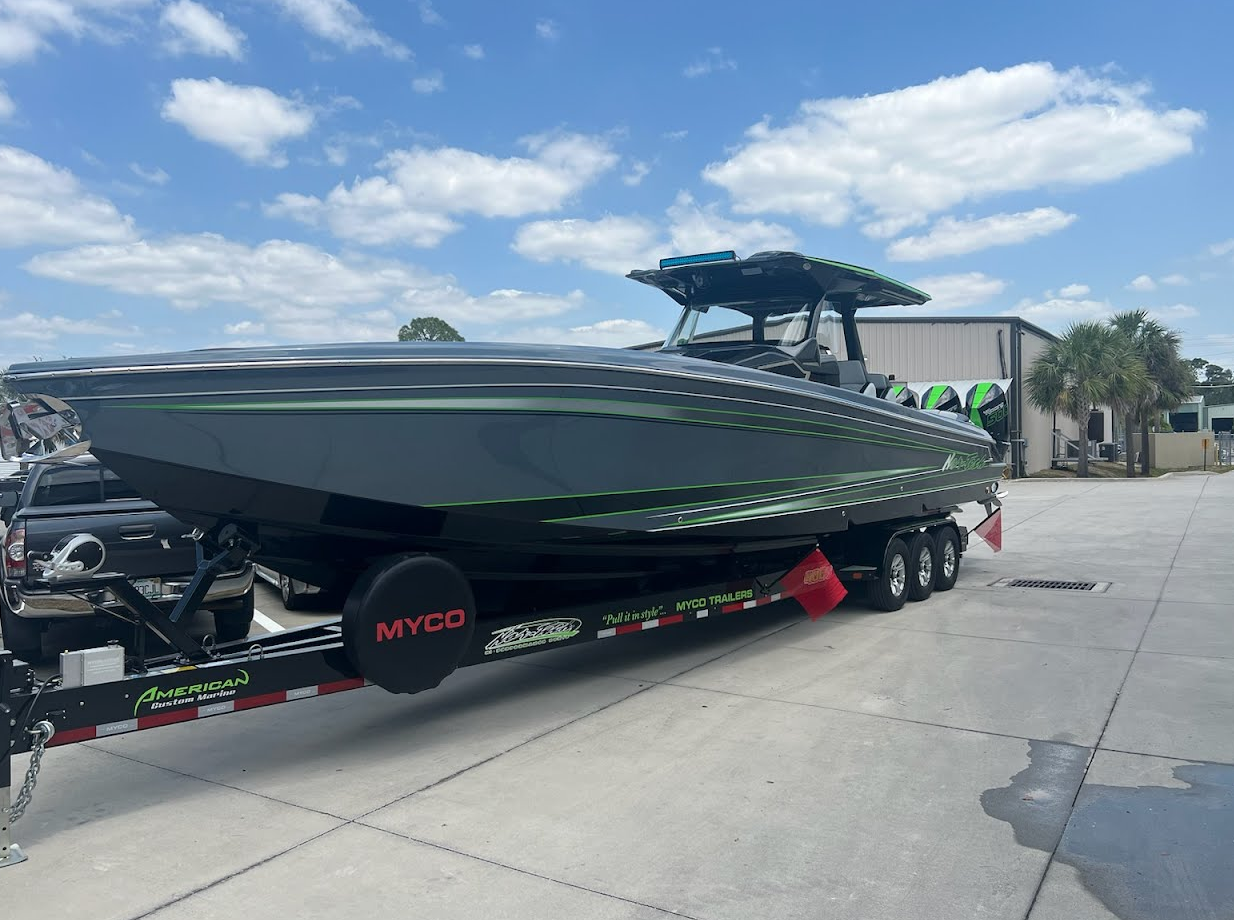
A boat trailer is responsible for supporting the vessel during transportation, launching, and storage. Although trailers may appear simple compared with engines or electrical systems, they contain several components that require regular inspection. Tires, bearings, brakes, lights, rollers, bunks, axles, and winches can all wear over time. Boat Work Times helps boat owners with different repair needs, including professional boat trailer repair when trailer components become damaged or unreliable.
Why Boat Trailers Need Regular Inspection
Boat trailers are exposed to road conditions and marine environments at the same time. After launching a boat, the trailer may come into contact with saltwater, freshwater, mud, sand, and debris.
Repeated exposure can accelerate corrosion and wear, particularly around metal components and braking systems.
Regular inspections can help identify problems before they affect the trailer while the boat is being transported. Owners should check the trailer before long trips and after periods of heavy use.
Important areas include:
- Tires
- Wheel bearings
- Brakes
- Lights
- Axles
- Bunks or rollers
- Winch and strap
- Coupler
- Safety chains
Worn Tires Can Create Serious Problems
Trailer tires experience significant loads because they support both the trailer and the boat. Even when the tread appears acceptable, age, cracking, uneven wear, or damage can make a tire unsafe.
Owners should inspect tires for:
- Cracks in the sidewalls
- Uneven tread wear
- Bulges
- Low pressure
- Visible damage
- Excessive age
Proper tire pressure is also important because incorrect inflation can affect handling and increase heat buildup during towing.
If tires show significant wear or damage, they should be replaced before the trailer is used for another long trip.
Wheel Bearings Require Attention
Wheel bearings allow the wheels to rotate smoothly, but they can experience substantial heat and friction during long-distance towing.
Water exposure can also affect bearing components, especially when a trailer is frequently launched into the water. Damaged seals may allow moisture to reach areas that should remain protected.
Warning signs can include:
- Excessive wheel heat
- Grinding sounds
- Wheel play
- Unusual vibration
- Grease leakage
Regular bearing inspection can help prevent more serious wheel or axle damage. When a bearing problem is identified, boat trailer repair may involve cleaning, repacking, replacing, or properly adjusting the affected components.
Trailer Brakes Should Never Be Overlooked
If a trailer is equipped with brakes, they require regular inspection just like the brakes on a vehicle.
Brake components can become corroded or worn, particularly when exposed to water. Hydraulic systems may also develop leaks or lose pressure.
Owners should pay attention to changes in braking performance, unusual noises, or signs that the trailer is not slowing evenly.
Because trailer brakes contribute directly to towing control, problems should be addressed before the trailer is used on busy roads or during long-distance travel.
Corrosion Can Affect More Than Appearance
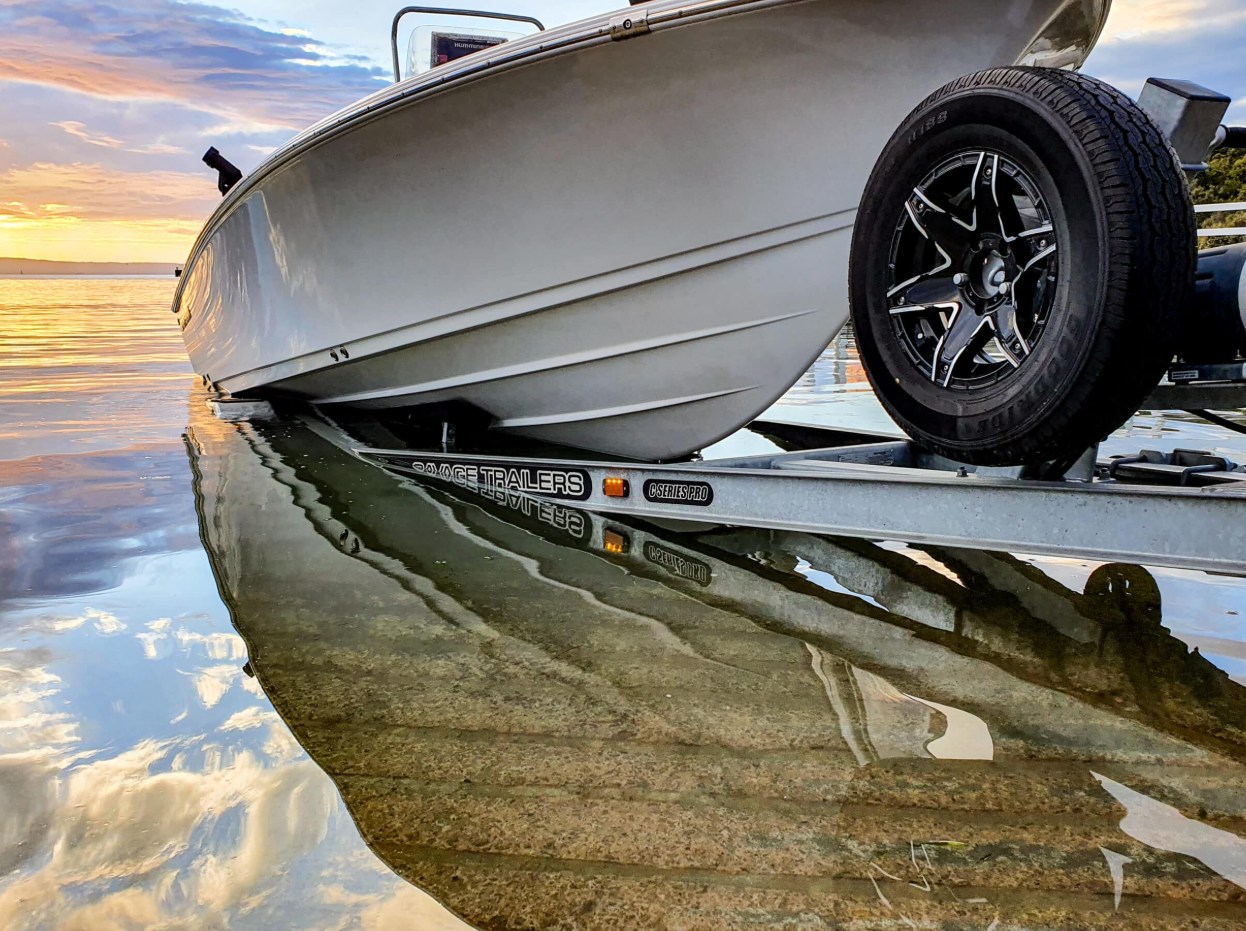
Rust and corrosion are common concerns for boat trailers, particularly those used in saltwater environments.
Corrosion can affect:
- Frames
- Axles
- Brake components
- Fasteners
- Couplers
- Suspension parts
- Electrical connections
Surface corrosion may be primarily cosmetic, but deeper corrosion can weaken structural components.
Washing the trailer with fresh water after saltwater use can help remove salt residue. Regular inspection can also identify areas where corrosion needs more attention.
Bunks and Rollers Support the Boat
The trailer’s bunks or rollers help distribute the boat’s weight and keep the hull properly supported.
Damaged or incorrectly positioned bunks can place excessive pressure on specific areas of the hull. Worn rollers may also fail to support the boat correctly during launching and loading.
Owners should check for:
- Torn bunk carpeting
- Damaged supports
- Loose hardware
- Worn rollers
- Uneven hull support
Correct alignment is important because the trailer should distribute the boat’s weight rather than concentrating pressure in a small area.
The Winch and Coupler Need Regular Checks
The winch is responsible for helping pull the boat securely onto the trailer. Its strap, cable, hook, and mounting hardware should be inspected regularly.
A damaged strap can fail under load, while a worn hook or loose mounting point can create additional risks during loading.
The coupler is equally important because it connects the trailer to the towing vehicle. It should close securely and remain properly attached to the hitch ball.
Safety chains should also be checked for damage and correct attachment.
Trailer Lights Are Essential for Road Safety
Lighting problems are easy to overlook, especially when they develop gradually.
Water can enter light assemblies or corrode electrical connections. Damaged wiring can also cause intermittent problems.
Before towing, owners should verify that:
- Brake lights work
- Turn signals operate correctly
- Running lights are visible
- Wiring is secure
- Connectors are clean
Electrical problems with trailer lights are often easier to correct when discovered at home rather than on the roadside.
When Professional Repair Is Necessary
Some maintenance can be performed by experienced boat owners, but more complicated trailer problems may require professional inspection.
Professional boat trailer repair may be appropriate when there are:
- Damaged axles
- Severe corrosion
- Brake problems
- Bearing failures
- Structural damage
- Persistent electrical faults
- Alignment issues
- Coupler damage
A complete inspection can help identify several related problems instead of focusing only on the most obvious symptom.
Final Thoughts
A boat trailer plays an important role in keeping a vessel mobile and accessible. Reliable tires, bearings, brakes, lights, support systems, and towing components all contribute to safer transportation.
Regular inspections are especially important for trailers exposed to saltwater, because corrosion and moisture can accelerate component wear. Addressing small problems early can also help prevent more expensive repairs later.
When a trailer develops structural, braking, bearing, or electrical problems, professional boat trailer repair can help restore dependable operation and prepare the trailer for future trips.
For more useful articles about boat repairs, trailers, engines, electrical systems, plumbing, fiberglass, maintenance, and other marine services, you can find them here.
A boat trailer is responsible for supporting the vessel during transportation, launching, and storage. Although trailers may appear simple compared with engines or electrical systems, they contain several components that require regular inspection. Tires, bearings, brakes, lights, rollers, bunks, axles, and winches can all wear over time. Boat Work Times helps boat owners with different repair…